Silicone Bracelets: The Wristband Side of the Catalog
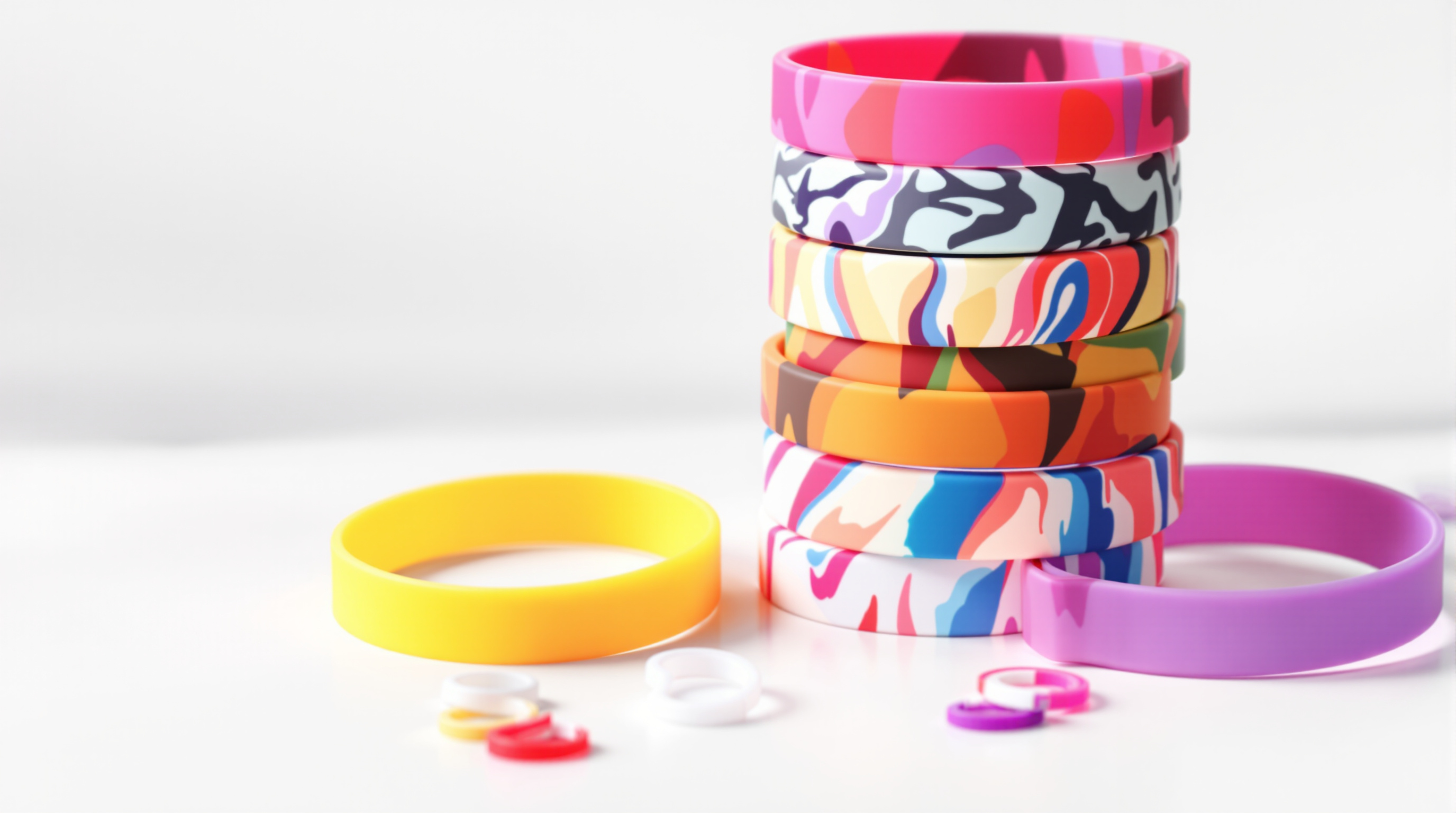
In the mid-2000s a second wearable symbol joined the ribbon magnet on America's main streets: the silicone wristband. When customers who bought our ribbons started asking whether we carried bracelets to match, the answer became a whole catalog wing — stock and custom silicone bracelets in the same patriotic, camouflage, awareness and multi-colored themes as our magnets.
The Stock Bracelet Lines
- Patriotic — red, white and blue bands, solid and swirled, with embossed stars-and-stripes patterns
- Camouflage — woodland-swirl silicone that paired naturally with our camo Support Our Troops ribbons
- Awareness — pink, purple, yellow and red bands matching the cause colors in our awareness magnet guide
- Multi-colored — segmented and swirled bands for school colors and team spirit
Why Wristbands Took Off
The silicone bracelet phenomenon began with the yellow wristband campaign launched by the Livestrong Foundation in 2004, and within a year the debossed wristband was the universal currency of cause support. Bracelets did for hallways and classrooms what magnets did for parking lots: they made support visible, affordable and collectible. The two products shared a customer almost perfectly — the family with a ribbon on the minivan wore the matching band to school.
Custom Bracelets
Like our plain ribbons, stock bands were only half the story. We offered custom-design bracelets for organizations and causes: a team name debossed around the band, school colors swirled to order, awareness messages for local campaigns. Custom bracelets were a favorite for events where a magnet didn't fit — graduations, walk-a-thons, youth camps — and they followed the same idea-to-proof process described in our custom guide.
Bracelets in Fundraising
For fundraising groups, bracelets played the same role as mini magnets: the low price-point product that let everyone participate. A two-dollar wristband next to a five-dollar ribbon meant no supporter walked away empty-handed, and school groups in particular found bracelets outsold everything at student-facing events — kids bought multiples to trade and stack. The two-tier table strategy in our fundraising guide worked with bracelets in the basket just as well as minis.
Built to Be Worn Out
Medical-grade silicone shrugs off pool water, playground grit and dishwater; the bands we shipped were solid-cast (not painted), so colors couldn't chip or flake. The honest truth about wristbands is that they're loved to death rather than worn out — lost in gym bags, traded away, stretched over doorknobs. That was fine by us. Every band that changed hands carried its cause to one more person, which was the entire point of the catalog it came from.
Wearing and Keeping Them
Stock bands came in adult and youth sizes — the half-inch difference in circumference mattered more than anyone expected, and groups ordering for schools learned to split their order two-to-one youth. Silicone needs no care to speak of: soap and water when gym class leaves its mark, and a band stretched over a wrist twice its size simply relaxes back overnight. The keeping was the interesting part. Bands accumulated up forearms during awareness walks like merit badges; retired bands moved to bag straps, rearview mirrors and bedpost collections. One school nurse told us her students used band colors as conversation starters about the causes — which made a two-dollar loop of silicone about the cheapest health education tool ever deployed.