Custom Car Magnets: From Napkin Sketch to Finished Design
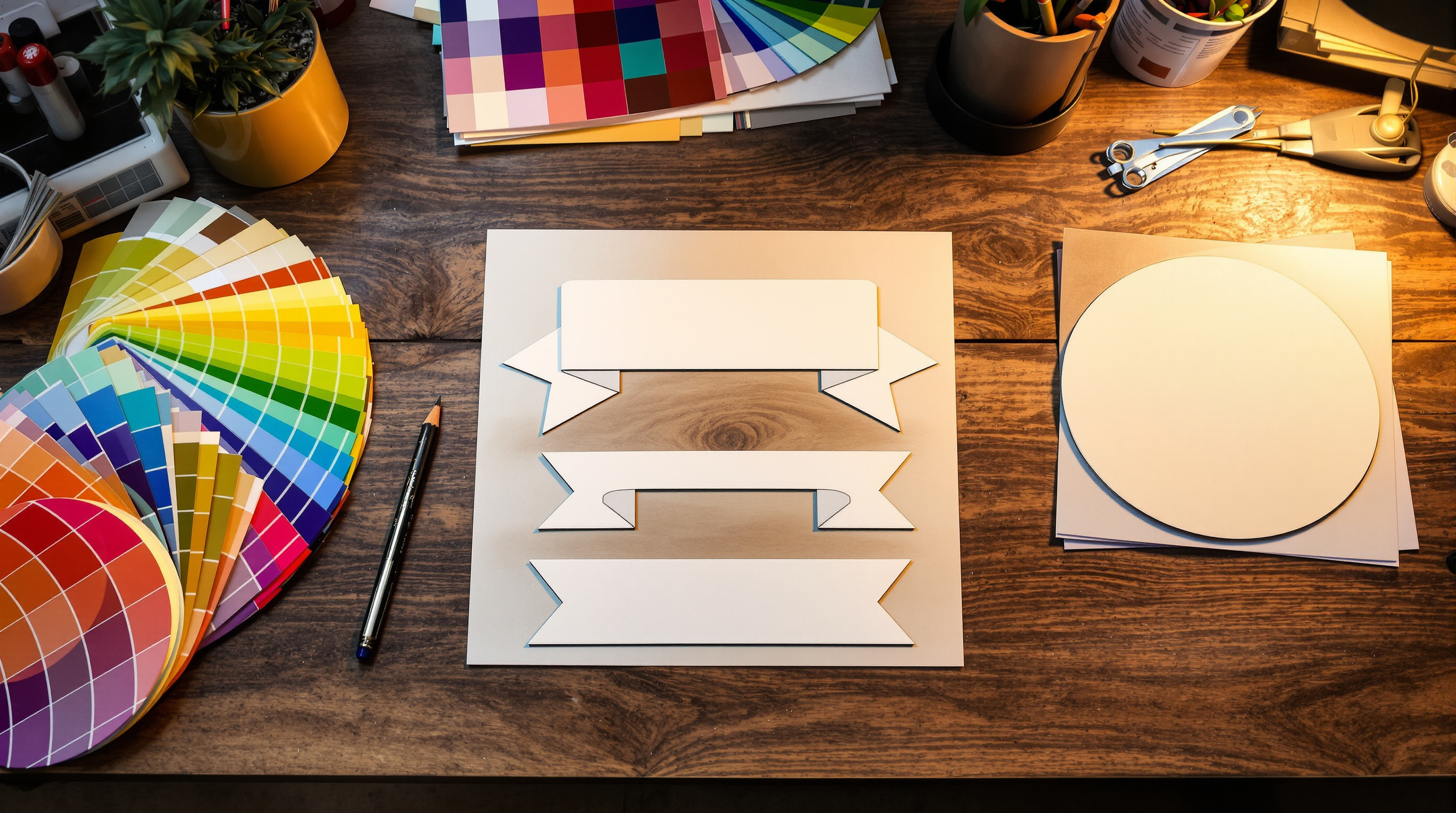
Got an idea for a custom magnet? That question opened more conversations at USA Magnets and More than any other. School mascots, church anniversaries, family reunions, small-business logos, memorial tributes, campaign season, county fairs — if someone could describe it, our production room could die-cut and print it. This guide walks through how custom work actually happened, and what made a custom magnet succeed.
What People Made
Two decades of custom orders sort into a few beloved families:
- School spirit — mascots in school colors, sized for the carpool line; the single largest custom category we ever ran
- Business magnets — door-panel logos for contractors, realtors and delivery vans; introduced formally to our catalog in 2006
- Unit and deployment tributes — family-readiness groups commissioning ribbons with a unit's name and motto
- Memorials — remembrance ribbons with a name and dates, handled with particular care
- Events — reunions, anniversaries, festivals and fairs, where the magnet doubled as the souvenir
- Cause launches — new awareness campaigns that needed a color and shape no catalog carried yet
How a Custom Order Worked
The process was deliberately simple. First, the idea — a sketch, a photo, a description in a paragraph. Second, our art room translated it into a print-ready proof: die-line, colors matched to the cause or the school, lettering chosen from our fonts and artwork library or built from supplied logo art. Third, the proof went back for approval — nothing printed until the customer said so. Then plates, press, die-cut, and a box of finished magnets headed out the door. Most custom jobs went from idea to proof in days.
What Makes a Custom Magnet Design Work
Our art room repeated the same advice for twenty years, and it still holds for anyone designing a vehicle graphic:
- Design for fifty feet. A car magnet is read at distance and in motion. Big shapes, high contrast, few words.
- Three colors beat ten. The most recognizable designs in our history — the yellow ribbon included — use one shape and one or two colors.
- Let the silhouette talk. Die-cut shape is the loudest design element; a megaphone-shaped magnet says "cheer" before a single letter is read.
- Keep lettering horizontal. Arcs are fine for a name across a ball; body text should sit level or it disappears at speed.
Personalization vs. Full Custom
Not every project needed full custom artwork. Personalizing a stock design — a name and number on a sports ball, a soldier's name on a yellow ribbon, an event date on a plain ribbon blank — delivered a one-of-a-kind result at a fraction of the cost, which is exactly why we built the personalization program in 2005. Full custom was for new shapes and full-art printing; personalization was for making a proven design yours.
Custom Work and Fundraising
The best custom magnets paid for themselves. A booster club that commissioned a mascot magnet owned a product no competitor could sell, and our fundraising guide shows how groups turned a custom die-cut into season-after-season revenue. Many of the longest-running designs in our catalog began life as someone's custom order — proof that the best ideas in this business always came from the customers.
Memorial Work
The custom orders we handled most carefully were memorials — ribbons carrying a name and dates for a fallen service member, a classmate, a colleague, a coach. Our art room held memorial proofs to a different standard: a second proofreading of every name and date, conservative typography from the classic serif family, and a quiet rule that memorial jobs jumped the production queue, because grief doesn't wait on a print schedule. Families often reordered years later when a well-traveled memorial ribbon finally faded, and we kept the artwork on file so the reprint matched the original exactly. It was the heaviest work in the shop and the work we were most honored to do.