Magnet Fundraising: The Program That Beat Candy Bars
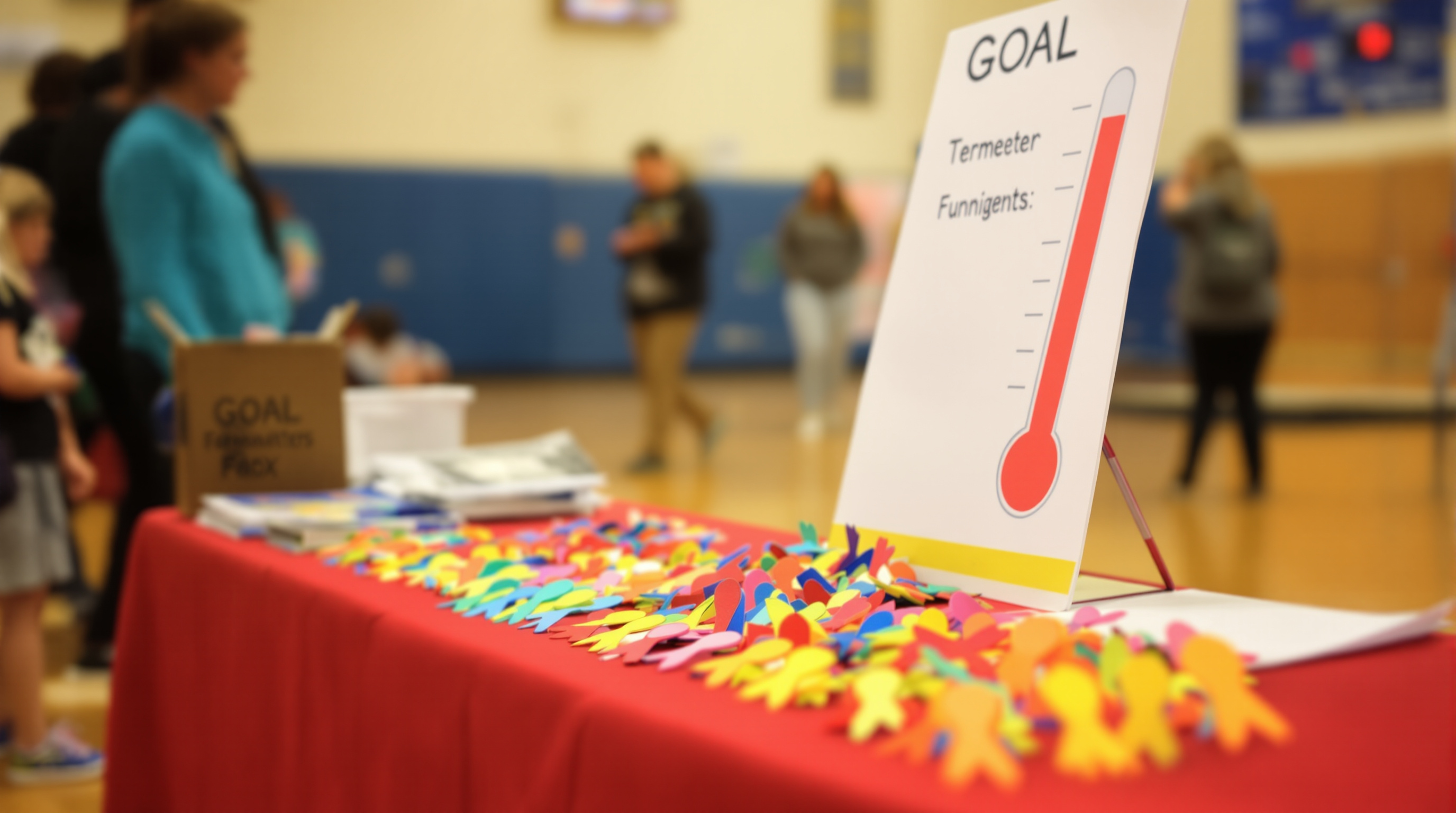
Are you tired of the same old fundraiser — candy, cookies, popcorn? That question opened our fundraising page in 2003, and the answer built half our business. Magnet fundraising is fun, simple, and — as thousands of schools, churches, teams and awareness groups discovered — very profitable. This is the complete playbook, with the real numbers.
The Classic Math
The example we published for years still tells the story best. A group ordered 250 magnets at the classic wholesale rate of $1.50 each — a $375 outlay. Sold at the suggested retail of $5.00, those 250 magnets brought in $1,250. That's $875 raised on one box of magnets — a 70% margin, achieved by a youth group in two or three weekends of selling. Larger orders pushed wholesale costs lower and margins higher still.
Why Magnets Outsold Everything Else
- People actually wanted them. A candy bar is gone in a minute; a ribbon magnet rides the family car for years. Supporters weren't donating with extra steps — they were buying something they'd have bought anyway.
- The product advertised the cause. Every magnet sold became a rolling billboard that sold the next one. Groups regularly came back for second orders mid-campaign.
- Nothing melted, crumbled or expired. Unsold inventory kept indefinitely and carried into next season's drive.
- One price point, no order forms. Table sales after church, at games and at school events meant cash in hand the same day — no catalog pre-orders, no delivery day chaos.
Choosing the Right Design
Matching the magnet to the audience was most of the strategy. Military family groups sold yellow ribbons and unit designs; awareness walks sold pink and survivor ribbons; booster clubs sold ball magnets in team colors; congregations sold faith designs; fire auxiliaries sold firefighter ribbons. Groups with their own identity went further with a custom design no one else could offer — the mascot magnet that became an annual tradition.
School Fundraisers and Smart Snacks
The USDA's Smart Snacks fundraiser guidance covers foods sold to students on campus during the school day, including fundraising sales. It says non-food items can be sold anytime. A magnet is a non-food item, but school fundraising still calls for checking the local policies.
USDA advises groups to work with school administration before starting, checking the Local Wellness Policy, Smart Snacks standards and other local requirements. The food standards do not apply during nonschool hours, on weekends or at off-campus events, though local policies may still apply. Describe the product, the proposed location and the selling hours in the campaign plan. That gives administrators something concrete to check before volunteers set up a table, and helps keep the agreed plan clear for everyone taking part.
The Two-Tier Table
The highest-grossing tables we ever supplied ran two tiers: full-size ribbons at the headline price, and a basket of mini magnets at a dollar or two for everyone else. The minis caught the kids, the impulse buyers and the small-bill crowd; the full-size ribbons caught everyone with a tailgate. Groups using both routinely outsold single-product tables by half again.
Running a Clean Campaign
A few habits separated the record-setting drives from the average ones. Set a public goal — thermometer posters work as well for magnet drives as for anything else. Pick high-traffic, high-affinity venues: post-service coffee hours, home games, awareness-month events. Seed visibility first — get a dozen magnets onto the most-seen cars in the community (the pastor's, the coach's, the principal's) the week before selling starts. And follow professional fundraising ethics on handling money and donor expectations; the Association of Fundraising Professionals publishes the standards that volunteer treasurers should borrow freely.
What Groups Raised
Over the years, USA Magnets and More helped countless military organizations, awareness groups and individuals raise thousands of dollars for their causes — mission trips funded, uniforms bought, treatment costs offset, memorial scholarships endowed. We counted it a privilege to help the families of our military who sacrificed so much, and the fundraising program is the part of this business we remained proudest of. For the product side of planning a drive, start with the full catalog.
The Three-Week Timeline
Groups asked how long a drive should run; the answer that worked was three weeks. Week one: seed visibility (magnets on the most-seen cars in the community) and announce the goal. Weeks two and three: sell at every gathering with the two-tier table, posting progress publicly after each event. Then stop — scarcity finishes what enthusiasm starts, and a drive that ends on schedule leaves the community ready to buy again next season. Groups that ran magnet drives annually on this rhythm told us each year's drive outsold the last, because every magnet from previous years was still out there doing the advertising.